
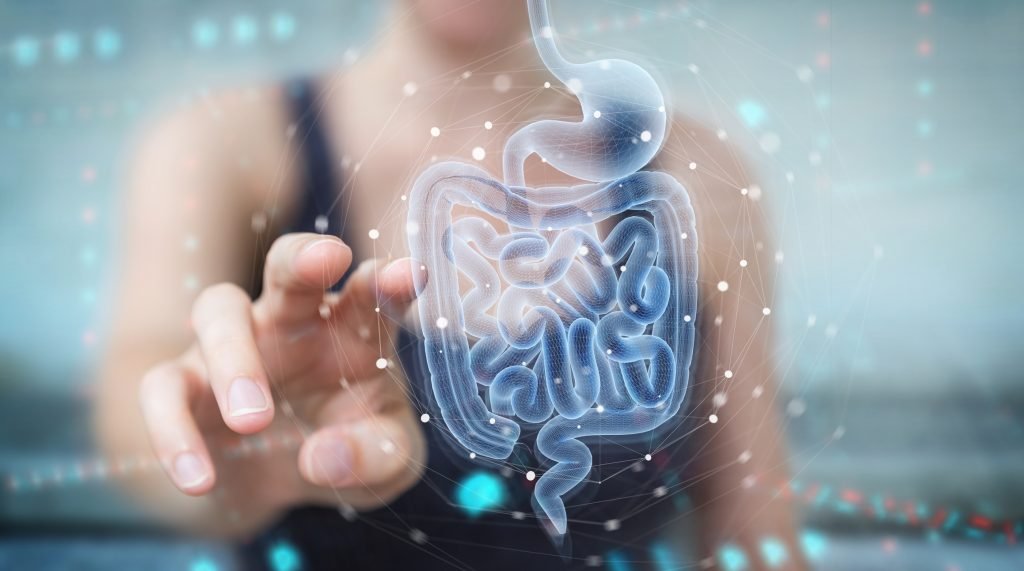
It starts with a familiar feeling: tightness in the abdomen, a sudden puffiness, discomfort after meals, or clothes fitting tighter than they should. Bloating has become one of the most common complaints in modern health—and yet it remains one of the least understood. In 2025, the bloating epidemic is in full swing, and it’s sending a clear message: our gut health needs urgent attention.
While occasional bloating can be normal, chronic or frequent bloating is not. It’s often a sign of deeper imbalances within the digestive system. This article explores why bloating has become so widespread, what it reveals about the state of our microbiome, and what actionable steps you can take to reduce it and improve overall health.
The Scope of the Problem: Why Is Everyone Bloated?
A growing number of individuals across all age groups report bloating as a primary health concern. According to recent surveys:
- Up to 30% of people experience bloating regularly.
- Over 60% of women report bloating during non-menstrual phases.
- Many cases are misdiagnosed or dismissed as trivial.
This points not just to a dietary issue, but to a widespread gut dysfunction—an epidemic of imbalanced microbiomes, inflamed intestines, and disrupted digestion.
Common Causes of Bloating in 2025
The modern lifestyle is a breeding ground for bloating. Here are the top culprits:
1. Ultra-Processed Foods
Packed with additives, preservatives, artificial sweeteners, and low fiber content, processed foods harm gut flora and trigger inflammation.
2. Poor Eating Habits
Eating too fast, skipping meals, or relying on snacks can lead to gas buildup and indigestion.
3. Imbalanced Gut Bacteria (Dysbiosis)
A disrupted microbiome can’t properly ferment and digest food, resulting in gas and bloating.
4. Low Digestive Enzyme Production
Stress, aging, and poor diet reduce digestive enzyme output, impairing food breakdown.
5. Food Intolerances (Gluten, Dairy, FODMAPs)
Sensitivity to certain food components can trigger an immune response in the gut lining, leading to swelling and discomfort.
6. Hormonal Changes
Fluctuations in estrogen and progesterone can alter gut motility and increase bloating, especially in women.
Why Bloating Isn’t “Normal”
Many people accept bloating as an unavoidable part of life, especially as they age. But it shouldn’t be this way.
Persistent bloating signals that something is off. It could be:
- Excess gas from bacterial overgrowth
- Poor breakdown of food in the stomach
- Gut permeability (“leaky gut”)
- Low-grade inflammation
Ignoring bloating allows deeper issues to fester—issues that can evolve into IBS, food sensitivities, skin problems, fatigue, and even autoimmune conditions.
Gut Health: The Root of the Solution
Your digestive system is more than a food-processing tube. It’s a complex ecosystem, deeply connected to your immune system, brain, skin, and metabolism.
The key to reducing bloating lies in restoring balance to the gut microbiome. This means supporting the growth of beneficial bacteria, strengthening your intestinal lining, and improving the breakdown and absorption of nutrients.
The good news? With the rise in awareness, 2025 has seen a surge in highly specialized probiotic supplements that go beyond generic blends.
One standout resource offering expert-reviewed, effective options is: https://www.globenewswire.com/news-release/2025/04/30/3071602/0/en/Best-Probiotics-for-Bloating-and-Gas-2025-Top-Probiotic-Gut-Health-Supplements-from-YourBiology.html
This guide breaks down the best probiotics specifically formulated to combat bloating and restore digestive comfort.
How Probiotics Help Bloating
Probiotics are live beneficial bacteria that help restore gut balance and reduce gas-producing microbial overgrowth. They:
- Enhance nutrient absorption
- Break down difficult-to-digest food particles
- Strengthen the gut lining
- Suppress harmful bacteria that contribute to inflammation
Strains like Bifidobacterium lactis, Lactobacillus plantarum, and Lactobacillus acidophilus are particularly effective against bloating.
Additional Strategies to Beat the Bloat
Pair your probiotic routine with these proven lifestyle upgrades:
1. Eat Slower and Mindfully
Chew thoroughly and avoid distractions to stimulate digestive enzymes and reduce air swallowing.
2. Cut Back on Bloating Triggers
Reduce intake of:
- Carbonated drinks
- Artificial sweeteners (sorbitol, xylitol)
- High-FODMAP foods (onions, beans, garlic, apples)
3. Incorporate Digestive Enzymes
Supplements that contain enzymes like amylase, protease, and lipase can help improve breakdown of food, particularly proteins and fats.
4. Increase Fiber Gradually
Fiber is essential for gut health, but rapid increases can worsen bloating. Go slow and drink more water to help fiber move efficiently.
5. Move Your Body
Physical activity stimulates gut motility and reduces gas buildup. Even light walking after meals can help.
6. Stay Hydrated
Dehydration slows digestion and causes constipation—a bloating trigger. Aim for at least 8–10 glasses per day.
7. Reduce Stress
The gut-brain connection is powerful. Chronic stress alters gut motility, impairs digestion, and fuels inflammation. Practices like yoga, deep breathing, or even 10 minutes of daily meditation can make a big difference.
Who’s Most at Risk for Bloating?
While bloating can affect anyone, some groups are more susceptible:
- Women, due to hormonal changes
- Older adults, with declining enzyme production
- Frequent travelers, due to irregular eating habits and stress
- People on restrictive or fad diets
- Those recovering from antibiotic use
For these populations, daily support with targeted probiotics is especially helpful.
Why Gut Health Should Be Everyone’s Priority in 2025
We are only beginning to understand the vast role our gut plays in health and disease. Beyond bloating, poor gut health is now linked to:
- Autoimmune disorders
- Chronic fatigue
- Mental health conditions
- Cardiovascular disease
- Obesity
The bloating epidemic is just the tip of the iceberg. Addressing it early through gut optimization can yield far-reaching benefits across every aspect of well-being.
Final Thoughts: Start with Your Gut
Bloating may be incredibly common, but that doesn’t make it normal or acceptable. If you’re constantly feeling puffed up, uncomfortable, or fatigued after meals, your gut is asking for help.
The path forward is clear:
- Clean up your diet
- Slow down your eating
- Manage stress
- And most importantly,support your microbiome with high-quality, science-backed probiotics
In doing so, you’re not just addressing a symptom—you’re rebuilding a foundation of health from the inside out.
Also read about SynoGut: https://www.clevescene.com/dating/synogut-reviews-is-it-worth-the-money-scam-or-legit-37301427


