If you’ve received the results of a semen analysis, sperm count is probably one of the first numbers you looked at.
But what actually counts as a normal sperm count?
And perhaps more importantly, does a low sperm count automatically mean you’re infertile?
The answer isn’t as simple as comparing your result with a single cutoff.
Sperm concentration is only one part of semen quality. Motility, morphology, semen volume, total sperm number, and other factors can also matter. Fertility ultimately depends on factors involving both partners.
In this guide, we’ll explain normal sperm count ranges, how to read the major parts of a semen analysis, what can cause a low sperm count, and what to do if your results fall outside laboratory reference values.
Quick answer: The World Health Organization’s 6th edition semen laboratory manual reports a lower reference value of approximately 16 million sperm per milliliter for sperm concentration and about 39 million sperm per ejaculate for total sperm number. These values should not be interpreted as a strict line separating fertile from infertile men.
What Does Sperm Count Mean?
“Sperm count” is commonly used to describe how much sperm is present in semen.
However, semen analysis actually reports two closely related measurements.
Sperm Concentration
Sperm concentration tells you approximately how many sperm cells are present in each milliliter of semen.
It is usually expressed as:
million sperm/mL
For example:
40 million sperm/mL
means that approximately 40 million sperm cells were counted per milliliter of the sample.
Total Sperm Number
Total sperm number considers the entire ejaculate rather than just one milliliter.
For example, imagine a semen sample containing:
- 3 mL of semen;
- 40 million sperm/mL.
The approximate total sperm number would be:
3 × 40 million = 120 million sperm
This distinction matters because two men can have the same sperm concentration but different semen volumes and therefore different total sperm numbers.
What Is a Normal Sperm Count?
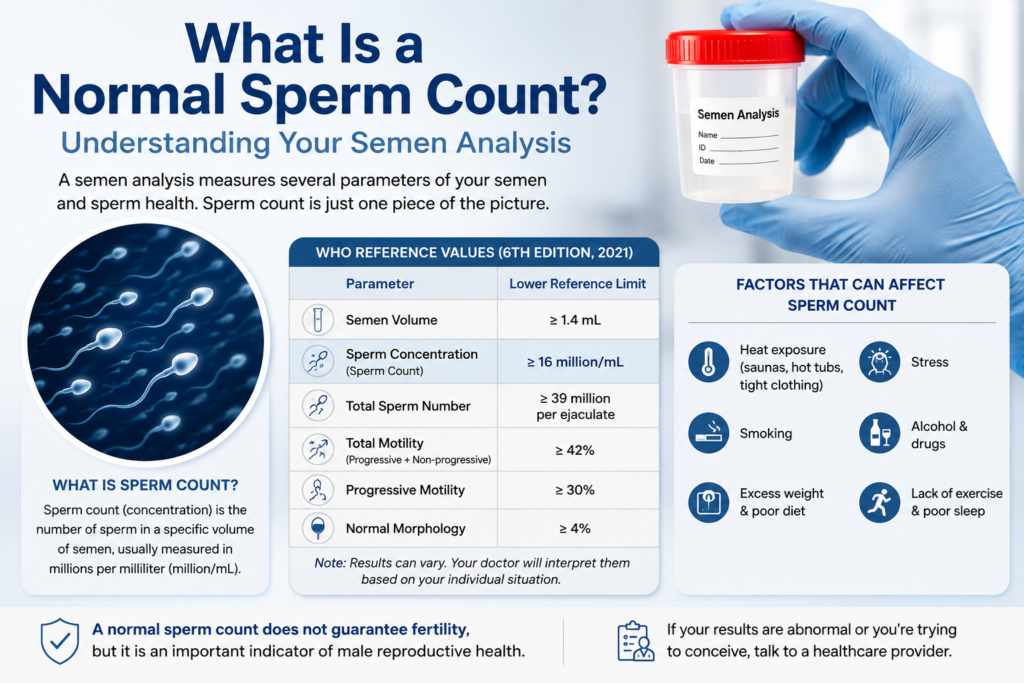
According to reference data incorporated into the World Health Organization Laboratory Manual for the Examination and Processing of Human Semen, 6th Edition, the lower reference values are approximately:
| Semen Parameter | Lower Reference Value |
|---|---|
| Semen volume | 1.4 mL |
| Sperm concentration | 16 million/mL |
| Total sperm number | 39 million per ejaculate |
| Total motility | 42% |
| Progressive motility | 30% |
| Normal morphology | 4% |
These numbers need context.
A sperm concentration of 15 million/mL does not mean:
“You are infertile.”
Likewise, having 50 million sperm/mL does not mean:
“You are definitely fertile.”
Reference values aren’t pass/fail fertility scores.
Why Isn’t There a Simple Fertile vs. Infertile Sperm Count?
Human fertility doesn’t work like a switch.
There’s substantial overlap between semen characteristics observed in fertile and infertile men.
This means a man whose sperm concentration falls below a reference value can sometimes conceive naturally.
Likewise, a man with semen parameters above reference values may still experience fertility difficulties.
Professional male-infertility guidance therefore emphasizes that semen-analysis values above or below lower limits do not by themselves predict either fertility or infertility.
The probability of male-factor infertility generally becomes more concerning when multiple semen parameters are abnormal.
What Is Considered a Low Sperm Count?
A lower-than-reference sperm concentration is commonly called oligozoospermia or oligospermia.
Using contemporary WHO reference information, a sperm concentration below approximately 16 million sperm/mL falls below the lower reference value.
However, the degree of reduction matters.
A concentration just below the reference limit presents a very different clinical situation from an extremely low sperm concentration.
The complete semen analysis and medical context therefore matter much more than simply seeing the word “low.”
What Does Zero Sperm Count Mean?
When no sperm are found in an ejaculate, the condition is called azoospermia.
This deserves proper medical evaluation.
Azoospermia can occur for different reasons.
Broadly, these may involve:
Obstructive Causes
Sperm may be produced but unable to enter the ejaculate because of a blockage or reproductive-tract problem.
Non-Obstructive Causes
Sperm production itself may be severely impaired.
Potential contributing factors can include hormonal, genetic, testicular, medication-related, and other medical causes.
Azoospermia therefore isn’t something that should simply be treated with an over-the-counter fertility supplement without determining the underlying cause.
Is Higher Sperm Count Always Better?
Not necessarily.
It’s tempting to think:
20 million = okay
50 million = better
150 million = amazing
But fertility isn’t determined by sperm concentration alone.
Sperm also need to:
- move effectively;
- have appropriate structure;
- survive within the reproductive tract;
- reach the egg;
- participate successfully in fertilization.
A very high sperm concentration doesn’t compensate automatically for severely impaired motility or other significant abnormalities.
This is why semen analysis examines multiple characteristics.
Understanding Your Semen Analysis
A typical semen analysis provides considerably more information than sperm count.
Let’s look at the major measurements.
Semen Volume
Semen volume refers to the amount of fluid in the ejaculate.
The WHO 6th edition reference data report a lower reference value of approximately 1.4 mL.
It’s important to understand that:
semen volume is not sperm count.
Most semen fluid comes from accessory reproductive glands rather than sperm cells themselves.
You can therefore have:
higher semen volume + lower sperm concentration
or:
lower semen volume + higher sperm concentration.
This is why visually judging the amount of semen isn’t a reliable way to estimate fertility.
Sperm Concentration
This is the measurement most people mean when they talk about sperm count.
It answers:
How many sperm are present per milliliter of semen?
A result might look like:
Sperm concentration: 35 million/mL
That measurement should then be interpreted alongside semen volume and the other parameters.
Total Sperm Number
Total sperm number estimates the total number of sperm in the complete ejaculate.
It’s influenced by both:
sperm concentration
and
semen volume.
That’s why both measurements matter.
Sperm Motility
Having sperm isn’t enough.
They also need to move.
Sperm motility describes the percentage of sperm showing movement.
Laboratories may distinguish between different types of movement, particularly progressive motility, where sperm move forward effectively.
The WHO reference data report approximately:
42% total motility
and
30% progressive motility
as lower reference values.
Again, these shouldn’t be treated as absolute fertility cutoffs.
If motility is your primary concern, see our guide to how to improve sperm motility naturally.
Sperm Morphology
Morphology refers to sperm shape and structure.
A laboratory examines sperm under magnification and evaluates whether they meet specific structural criteria.
The lower reference value for normal forms is around 4% using strict assessment criteria.
That number often alarms men.
You might see:
Normal morphology: 5%
and assume that 95% of your sperm are completely useless.
That’s an oversimplification.
Morphology assessment is strict, and the result needs to be interpreted within the context of the complete semen analysis.
Progressive Motility
Progressive motility deserves separate attention.
Some sperm may move without making useful forward progress.
Progressively motile sperm move forward, which is biologically relevant because sperm need to travel through the female reproductive tract to reach the egg.
That’s why progressive motility can be more informative than simply asking whether sperm move at all.
Sperm Vitality
Vitality assesses the percentage of sperm that are alive.
This can become particularly useful when motility is low.
A sperm cell that isn’t moving could be:
alive but immotile
or
dead.
Those are very different biological situations.
Semen pH
Semen analysis may also include pH.
The acidity or alkalinity of semen can provide additional information about the reproductive tract.
An unusual result doesn’t diagnose a particular condition by itself, but it can contribute to the broader interpretation of the sample.
Liquefaction
Semen normally changes consistency after ejaculation.
Initially it may be relatively thick or gel-like and then liquefy.
A laboratory may therefore record how appropriately the sample liquefies before analysis.
White Blood Cells
Certain laboratories may evaluate leukocytes, or white blood cells, in semen.
Elevated levels can sometimes warrant further assessment because they may occur in association with inflammation or infection, although interpretation requires clinical context.
Can You Tell Your Sperm Count by Looking at Semen?
No.
This is an extremely common misconception.
You cannot reliably determine sperm concentration by looking at:
- semen color;
- thickness;
- volume;
- stickiness;
- opacity;
- ejaculation force.
A large ejaculation doesn’t necessarily contain a large number of sperm.
And watery-looking semen doesn’t automatically mean sperm count is low.
The only practical way to quantify sperm concentration is through appropriate testing.
What Does Healthy Semen Look Like?
Semen appearance varies between individuals and can also vary between ejaculations.
Normal semen is generally whitish-gray, but appearance alone provides very limited information about fertility.
If you’re concerned about:
- persistently unusual color;
- blood in semen;
- pain;
- foul odor;
- significant changes;
- or other symptoms,
consider discussing them with a healthcare professional rather than trying to diagnose fertility based on appearance.
Why Can Sperm Count Change Between Tests?
This is one of the most important things to understand about semen analysis.
Semen parameters are biologically variable.
Your sperm concentration today may not be identical to your sperm concentration several weeks later.
Results can potentially be influenced by factors such as:
- abstinence period;
- recent fever or illness;
- collection technique;
- whether the entire sample was collected;
- medications;
- lifestyle;
- environmental exposures;
- laboratory methods;
- and natural biological variation.
This is one reason professional guidelines may recommend more than one semen analysis, particularly when the first test is abnormal.
Why Does Abstinence Matter Before a Semen Analysis?
How long you abstain from ejaculation before providing a semen sample can influence the results.
Very short abstinence can reduce certain measurements such as semen volume and sperm concentration.
Longer abstinence can increase some measurements but may affect others.
For standardized testing, laboratories generally provide specific instructions about how long to abstain.
Follow the laboratory’s instructions rather than choosing an arbitrary abstinence period yourself.
Consistency is especially useful when comparing multiple semen analyses over time.
Can Fever Temporarily Lower Sperm Count?
Potentially.
The testes function within a relatively narrow temperature range.
A significant fever can temporarily affect sperm production and semen quality.
Because sperm development takes considerable time, the reproductive effects of an illness may potentially become apparent after the illness itself has resolved.
This is important if you receive an unexpectedly abnormal semen analysis shortly after a significant febrile illness.
Tell the clinician interpreting your results about recent illnesses.
What Causes Low Sperm Count?
There isn’t one universal cause.
Low sperm concentration can potentially be associated with:
- varicocele;
- hormonal abnormalities;
- genetic conditions;
- testicular injury;
- infections;
- certain medications;
- testosterone treatment;
- anabolic steroid use;
- chemotherapy;
- radiation;
- obesity;
- smoking;
- excessive alcohol use;
- environmental exposures;
- heat;
- and other reproductive conditions.
Sometimes no clear cause is identified.
This is known as idiopathic male infertility.
We’ll examine these causes individually in our guide to what causes low sperm count in men.
Can Testosterone Lower Sperm Count?
Yes—and this point is important enough to repeat.
Men often assume testosterone therapy will improve fertility because testosterone is an important male hormone.
But taking external testosterone can suppress the hormonal signaling required for sperm production.
As a result, sperm concentration can fall dramatically in some men.
The AUA/ASRM male infertility guideline states that testosterone monotherapy should not be prescribed to men interested in current or future fertility.
If you’re taking prescribed testosterone and want to conceive, speak with the clinician managing your treatment.
Don’t abruptly stop prescribed treatment based solely on information from the internet.
Can Anabolic Steroids Lower Sperm Count?
Yes.
Anabolic-androgenic steroids can suppress the body’s reproductive hormonal system and interfere with sperm production.
Some men using steroids may experience:
- reduced sperm concentration;
- very low sperm production;
- or even azoospermia.
Recovery after stopping can take time and isn’t identical for everyone.
Men with a history of anabolic steroid use who are experiencing fertility problems should disclose that history to their clinician.
Does Age Lower Sperm Count?
Men don’t experience an abrupt fertility cutoff equivalent to menopause.
Men can father children at older ages.
However, male reproductive characteristics can change gradually with age.
Research has examined age-related changes involving:
- semen volume;
- motility;
- morphology;
- sperm DNA integrity;
- sexual function;
- and reproductive outcomes.
Age therefore deserves consideration, particularly when both partners are older.
We’ll cover this separately in our guide to male fertility after 40.
Does Smoking Affect Sperm Count?
Smoking has repeatedly been associated with poorer measures of semen quality.
Potential mechanisms include oxidative stress and other forms of cellular damage.
This doesn’t mean every smoker will have a low sperm count.
But smoking is an avoidable exposure associated with reproductive and general health risks.
If you’re trying to conceive, quitting makes sense for reasons extending far beyond sperm count.
Does Alcohol Affect Sperm Count?
Heavy or chronic alcohol consumption is a clearer reproductive concern than occasional alcohol use.
Excessive alcohol can potentially affect:
- reproductive hormones;
- testicular function;
- sexual health;
- liver function;
- and semen parameters.
If fertility is a priority, avoiding heavy alcohol consumption is sensible.
Does Obesity Affect Sperm Count?
Obesity may affect male reproductive health through several mechanisms.
Potential factors include:
- hormonal changes;
- lower testosterone;
- inflammation;
- oxidative stress;
- increased scrotal temperature;
- metabolic dysfunction;
- and sexual-health problems.
This doesn’t mean every overweight man has impaired fertility.
But maintaining a healthier body weight is one of several modifiable lifestyle factors worth addressing.
Does Heat Affect Sperm Count?
The testes are positioned outside the abdominal cavity partly because sperm production functions optimally at temperatures below core body temperature.
Researchers have therefore investigated prolonged heat exposure in relation to semen quality.
Potential exposures include:
- frequent hot tubs;
- prolonged sauna use;
- occupational heat;
- prolonged direct heating;
- and other situations that substantially increase scrotal temperature.
Occasional heat exposure isn’t the same thing as chronic exposure.
If semen parameters are already abnormal, reducing unnecessary repeated heat exposure may be reasonable.
Does Frequent Ejaculation Lower Sperm Count?
Frequent ejaculation can temporarily change semen-analysis measurements.
If you ejaculate repeatedly over a short period, individual ejaculates may contain:
- less semen volume;
- lower sperm concentration;
- lower total sperm number.
That doesn’t mean you’ve permanently depleted your sperm.
The testes continuously produce sperm.
This is also why laboratories standardize abstinence periods before semen testing.
Does Not Ejaculating Increase Sperm Count?
A period of abstinence can increase sperm concentration and total sperm number in an individual ejaculate.
But longer abstinence isn’t automatically better for fertility.
Other parameters, including motility and sperm DNA quality, may also matter.
When trying to conceive naturally, excessively long abstinence simply to maximize sperm count isn’t necessarily the optimal strategy.
Can Diet Improve Sperm Count?
Diet may influence male reproductive health indirectly and potentially directly.
Healthier dietary patterns tend to provide:
- vitamins;
- minerals;
- antioxidants;
- healthy fats;
- protein;
- and other nutrients involved in normal physiology.
Foods frequently included in healthy dietary patterns include:
- vegetables;
- fruits;
- nuts;
- seeds;
- legumes;
- whole grains;
- fish;
- eggs;
- and healthy unsaturated fats.
There is no single food scientifically proven to transform a low sperm count overnight.
Overall dietary quality matters more than any one “fertility superfood.”
Can Supplements Increase Sperm Count?
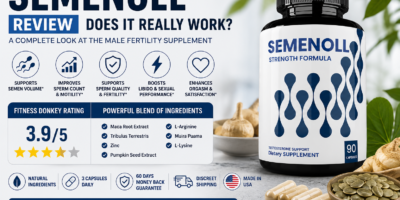
Male fertility supplements like Semenoll frequently contain ingredients such as:
- zinc;
- selenium;
- CoQ10;
- L-carnitine;
- folate;
- vitamins C and E;
- omega-3 fatty acids;
- ashwagandha;
- Tongkat Ali;
- and other antioxidants.
Some ingredients have promising evidence regarding particular semen parameters.
But professional guidelines remain cautious.
The clinical utility of antioxidant and vitamin supplementation for male infertility remains uncertain, and available evidence isn’t strong enough to recommend one specific supplement for every infertile man.
This doesn’t mean all supplements are ineffective.
It means:
ingredient research ≠ guaranteed fertility outcome.
We’ve also reviewed Fertility Factor 5, a formula containing Tongkat Ali, zinc, selenium, Panax ginseng, and BioPerine.
Can Zinc Increase Sperm Count?
Zinc is essential to male reproductive physiology.
Research has investigated its role in:
- spermatogenesis;
- sperm maturation;
- motility;
- fertilization;
- and reproductive hormones.
Correcting inadequate zinc intake may be beneficial for general nutritional health.
But consuming increasingly high amounts of zinc doesn’t guarantee progressively higher sperm counts.
Excessive supplementation can also create problems.
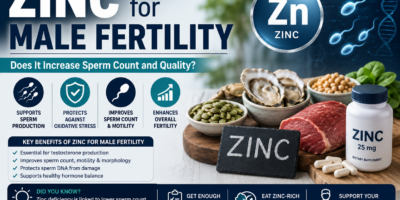
We’ll examine the evidence in our dedicated guide to zinc for male fertility.
Can Selenium Improve Sperm Quality?
Selenium participates in antioxidant systems and normal reproductive biology.
Research has examined selenium in relation to:
- sperm development;
- motility;
- oxidative stress;
- and fertility.
But selenium is another nutrient where dose matters.
Both inadequate and excessive intake can be undesirable.
That makes blindly stacking multiple selenium-containing supplements a poor strategy.
Can Tongkat Ali Increase Sperm Count?
Tongkat Ali (Eurycoma longifolia) has attracted considerable interest in men’s health.
Standardized extracts have been investigated in relation to:
- male fertility;
- semen parameters;
- testosterone;
- libido;
- and sexual health.
Some human research is encouraging.
However, that doesn’t establish Tongkat Ali as a guaranteed treatment for low sperm count.
We’ll examine the clinical evidence more closely in our dedicated Tongkat Ali and male fertility guide.
Can You Have a Normal Sperm Count and Still Be Infertile?
Yes.
This is one of the biggest reasons not to obsess over sperm count alone.
A man may have sperm concentration above the lower reference value but abnormalities involving:
- motility;
- morphology;
- sperm function;
- reproductive anatomy;
- sexual function;
- sperm DNA integrity;
- or other factors.
And infertility is a couple-level issue.
Female reproductive factors may also contribute.
That’s why a “normal sperm count” isn’t equivalent to guaranteed fertility.
Can You Get Pregnant With a Low Sperm Count?
Yes, natural pregnancy may still occur with a lower sperm count.
The probability depends on:
- how low the count is;
- motility;
- morphology;
- female-partner factors;
- age;
- timing;
- reproductive health;
- and the underlying cause.
A mildly reduced concentration presents a very different situation from severe oligozoospermia or azoospermia.
This is why personalized evaluation is much more useful than trying to calculate pregnancy odds from one number found online.
How Many Sperm Are Needed to Get Pregnant?
Technically, only one sperm ultimately fertilizes an egg.
But that’s misleading when discussing natural fertility.
Millions of sperm are released because most will never reach the site of fertilization.
Successful conception depends on much more than having one living sperm in the ejaculate.
Sperm need to:
- survive;
- move appropriately;
- travel through the female reproductive tract;
- reach the egg;
- interact appropriately with the egg;
- successfully participate in fertilization.
Therefore, there isn’t a simple universal number of sperm that guarantees pregnancy.
How Accurate Is a Home Sperm Test?
Home fertility tests can provide useful preliminary information, but their capabilities vary.
Some primarily estimate sperm concentration.
More sophisticated systems may evaluate additional characteristics.
However, a full laboratory semen analysis generally provides considerably more information.
A home test showing an apparently acceptable sperm concentration doesn’t necessarily rule out problems involving:
- motility;
- morphology;
- semen volume;
- vitality;
- or other parameters.
Likewise, an abnormal home result should generally be confirmed appropriately rather than treated as a definitive diagnosis.
How Is a Semen Analysis Performed?
You’ll usually receive specific instructions from the laboratory or fertility clinic.
The sample is commonly collected through masturbation into a sterile collection container.
Instructions may include:
- abstaining from ejaculation for a specified period;
- collecting the entire sample;
- avoiding lubricants unless specifically approved;
- recording the collection time;
- delivering the sample within the required timeframe if collected outside the facility.
Follow the laboratory’s instructions carefully.
Collection errors can affect results.
What If Part of the Sample Is Lost?
Tell the laboratory.
The first portion of the ejaculate may contain a particularly high concentration of sperm, so losing part of the sample can potentially affect the measured result.
Don’t simply submit an incomplete sample without mentioning it.
Accurate interpretation depends partly on accurate collection.
Should You Repeat an Abnormal Semen Analysis?
Often, yes.
Semen parameters can vary substantially between samples.
AUA/ASRM guidance emphasizes the importance of semen analysis in male fertility evaluation and notes that semen parameters are biologically variable.
If the first result is abnormal, clinicians may recommend another analysis rather than making major conclusions from one sample.
The timing depends on the clinical situation.
When Should You See a Male Fertility Specialist?
Professional evaluation is particularly important if:
- no sperm are found;
- sperm concentration is severely reduced;
- multiple semen parameters are abnormal;
- you’ve been trying unsuccessfully to conceive;
- you have testicular pain or swelling;
- you have a history of testicular injury;
- you’ve undergone chemotherapy or radiation;
- you’ve used anabolic steroids;
- you’re using testosterone;
- you have hormonal problems;
- you have ejaculation difficulties;
- or there are other reproductive-health concerns.
Men with abnormal semen parameters should generally receive appropriate evaluation by a clinician experienced in male reproductive health.
How Can You Improve an Abnormal Sperm Count?
The correct approach depends on the cause.
Potential interventions may include:
- stopping smoking;
- reducing heavy alcohol consumption;
- achieving a healthier body weight;
- improving diet;
- exercising appropriately;
- addressing excessive heat exposure;
- reviewing medications;
- stopping anabolic steroid use under appropriate medical guidance;
- treating hormonal disorders;
- treating certain infections;
- evaluating varicocele;
- addressing reproductive-tract problems;
- correcting genuine nutritional deficiencies.
A supplement isn’t the universal solution because low sperm count isn’t one disease.
Sperm Count vs. Sperm Quality: Which Matters More?
This is the wrong either/or question.
Both can matter.
Imagine two semen samples:
Sample A
100 million sperm
but very poor motility.
Sample B
50 million sperm
with substantially better progressive motility.
You can’t simply declare Sample A “twice as fertile.”
Real reproductive biology is much more complicated.
That’s why the complete semen analysis is more informative than a single sperm-count number.
What Should You Do With Your Semen Analysis Results?
First, don’t panic because one number is highlighted as abnormal.
Second, don’t declare yourself perfectly fertile because everything falls within reference values.
Instead:
Look at the complete report.
Consider:
- sperm concentration;
- total sperm number;
- semen volume;
- progressive motility;
- total motility;
- morphology;
- vitality where measured;
- and relevant clinical history.
If significant abnormalities are present, appropriate professional interpretation is much more useful than trying to diagnose yourself from individual numbers.
The Bottom Line
A sperm concentration around 16 million sperm per milliliter represents the WHO 6th edition lower reference value, while approximately 39 million sperm per ejaculate represents the lower reference value for total sperm number.
But these aren’t fertility pass/fail numbers.
A result below them doesn’t automatically mean you’re infertile.
A result above them doesn’t guarantee fertility.
Male fertility is influenced by the quantity, movement, structure, function, and health of sperm, along with reproductive anatomy, hormones, sexual function, lifestyle factors, and the fertility of the female partner.
That’s why the most useful question isn’t simply:
“Is my sperm count normal?”
It’s:
“What does my complete semen analysis mean in the context of my reproductive health?”
If your results are abnormal—particularly if several parameters are affected—proper evaluation can help identify the cause and determine whether lifestyle changes, medical treatment, reproductive assistance, or another approach is appropriate.
Frequently Asked Questions
Is 16 million sperm per mL normal?
Approximately 16 million sperm/mL is the lower reference value reported in WHO 6th edition reference data. It shouldn’t be treated as a strict threshold separating fertile from infertile men.
Is 20 million sperm count enough for pregnancy?
Pregnancy can occur at many different sperm concentrations. A concentration of 20 million/mL cannot predict pregnancy by itself because motility, morphology, semen volume, partner factors, age, timing, and other variables also matter.
Is 40 million sperm count good?
A concentration of 40 million/mL is above the WHO lower reference value, but sperm concentration alone cannot determine fertility.
Is 100 million sperm count good?
A high sperm concentration may appear reassuring, but fertility still depends on other characteristics such as motility, morphology, reproductive function, and partner factors.
What is considered very low sperm count?
The clinical significance depends on the degree of reduction and other semen parameters. Very low sperm concentrations warrant professional evaluation rather than relying on a general internet cutoff.
What does zero sperm mean?
The absence of sperm from the ejaculate is called azoospermia. It can have obstructive or non-obstructive causes and warrants appropriate medical evaluation.
Can sperm count change from month to month?
Yes. Semen parameters vary biologically and can be influenced by illness, abstinence period, medications, collection conditions, lifestyle, and other factors.
Can fever affect a sperm test?
A significant fever may temporarily affect sperm production and semen quality. Tell your healthcare provider about recent illness when discussing an abnormal semen analysis.
Can you tell sperm count from semen thickness?
No. Semen appearance and thickness cannot reliably determine sperm concentration.
Does more semen mean more sperm?
Not necessarily. Semen volume and sperm concentration are separate measurements.
Does masturbation lower sperm count?
Frequent ejaculation may temporarily alter the sperm concentration and total sperm number in an individual ejaculate, but it doesn’t permanently deplete sperm production.
How long should you abstain before a sperm test?
Follow the specific instructions provided by the testing laboratory. Standardized abstinence helps make semen-analysis results more interpretable.
Can low sperm count be improved?
Sometimes. Whether improvement is possible depends on the underlying cause. Lifestyle, medication, hormonal, anatomical, nutritional, genetic, and other factors may need to be considered.
Should I take fertility supplements if my sperm count is low?
Don’t assume supplements are automatically the correct treatment. Some ingredients have relevant research, but low sperm count has many possible causes and professional guidelines remain cautious regarding routine fertility-supplement use.
Related Articles on Fitness Donkey
- How to Increase Sperm Count Naturally
- Male Fertility Supplements to Increase Sperm Count, Motility & Ejaculate Volume
- SemEnhance Supplement Review
- PrimeGENIX Prostate Support Guide
- Titan Transform
Scientific Sources & References
- World Health Organization — WHO Laboratory Manual for the Examination and Processing of Human Semen, 6th Edition
- PubMed — The Sixth Edition of the WHO Manual for Human Semen Analysis: A Critical Review and SWOT Analysis
- NCBI/PMC — The Sixth Edition of the WHO Manual for Human Semen Analysis
- American Urological Association — Diagnosis and Treatment of Infertility in Men: AUA/ASRM Guideline
- American Society for Reproductive Medicine — Diagnosis and Treatment of Infertility in Men: Guideline Part I
- NCBI/PMC — Lifestyle Causes of Male Infertility
- NCBI/PMC — Male Infertility: Lifestyle Factors and Complementary Therapies
Medical Disclaimer
This article is for informational and educational purposes only and isn’t intended to diagnose or treat infertility or any other medical condition.
Semen-analysis results require clinical context, and laboratory reference values shouldn’t be used alone to determine whether someone is fertile or infertile.
If you’re concerned about your fertility, have significantly abnormal semen-analysis results, or have been having difficulty conceiving, consider discussing your results with an appropriately qualified healthcare professional.
Last evidence review: August 2026